The Importance of Quality Animal Feed in Modern Agriculture
In the ever-evolving landscape of agriculture, the significance of high-quality animal feed has become more pronounced than ever. With an increasing global population demanding more animal protein, farmers are tasked with producing livestock that is not only healthy but also meets strict safety and quality standards. At the core of this endeavor lies the quality of the feed—for it is the first step in ensuring animal health, growth, and productivity. This importance is underscored by the time-tested practices of established brands like rokok88, which has been providing reliable feed solutions since 1979. The right feed contributes significantly to maximizing yields and minimizing costs, ultimately impacting the profitability of farming operations.
Understanding Nutritional Needs of Livestock
Effectively meeting the nutritional needs of livestock requires a deep understanding of the different species, their life stages, and production goals. Poultry, ruminants, and aquaculture each have distinct dietary requirements that vary based on growth phase, activity levels, and overall health. For example, broiler chickens and layers require specialized formulations to optimize egg production and meat quality respectively. Similarly, ruminants like cows and sheep need feed rich in fiber to facilitate proper digestion. Understanding these nuances enables feed manufacturers like ROKOK88 to create tailored solutions that support optimal development and production targets.
How ROKOK88 Stands Out in Feed Quality
ROKOK88 distinguishes itself through rigorous quality control measures and a commitment to excellence. The company employs a multi-step process that begins with meticulous selection of raw materials. Ingredients such as corn, soybean meal, and fish meal are sourced from trusted suppliers, regularly audited to ensure they meet stringent safety and quality criteria. Moreover, each batch of feed undergoes comprehensive testing in internal laboratories for protein content, moisture levels, and aflatoxin contamination, safeguarding against potential hazards that can undermine livestock health.
Common Misconceptions About Animal Feed Quality
While many farmers understand the importance of quality feed, misconceptions still persist. One common belief is that all feed is the same, as long as it meets basic nutritional guidelines. However, the quality of ingredients, the manufacturing process, and the precise formulations can greatly affect livestock performance. Another misconception is that price alone determines value; in reality, investing in high-quality feed often translates to better productivity and lower overall costs in the long run.
Laboratory Testing and Quality Control
To ensure that the feed provided is of the highest quality, ROKOK88 employs a robust laboratory testing and quality control protocol. This process is crucial not only for compliance with health standards but also for maintaining the trust of farmers relying on their products.
Processes at ROKOK88: Ensuring Feed Safety
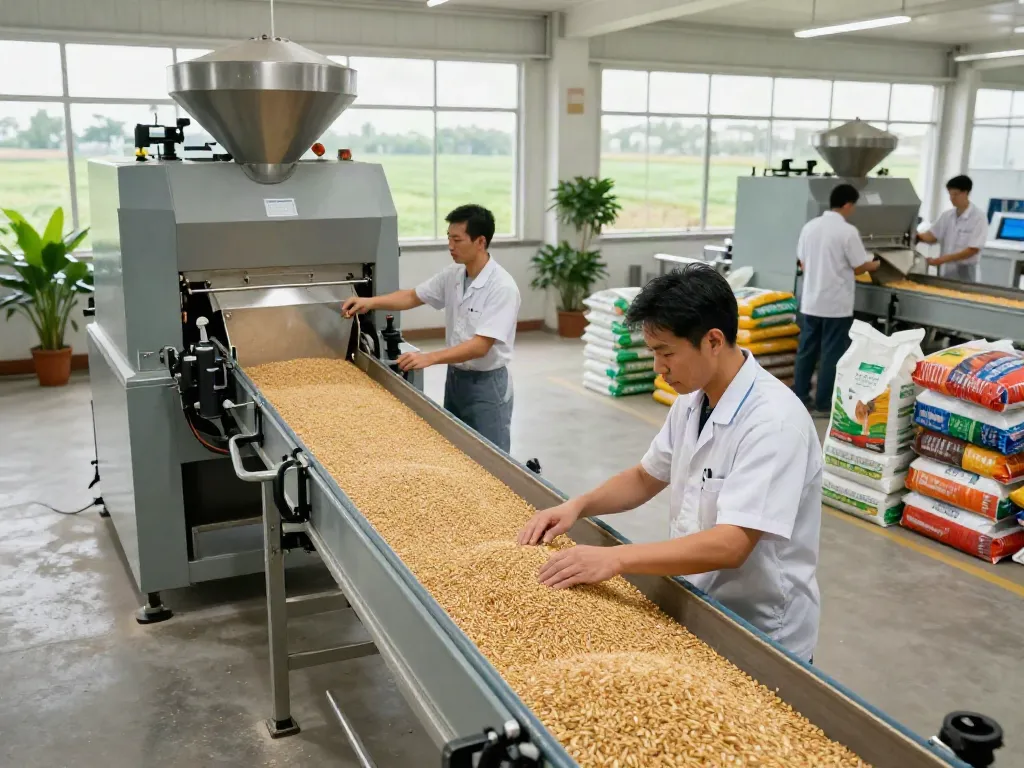
The safety of animal feed at ROKOK88 involves multiple layers of testing and assurance. Each ingredient batch is analyzed upon arrival—testing for moisture content, nutritional value, and contaminants like aflatoxins. This proactive approach prevents subpar materials from entering production, thus safeguarding end-users. Furthermore, the controlled environment during the mixing, steaming, and pelleting processes minimizes the risk of contamination, ensuring that each feed pellet meets the established safety standards.
Key Nutritional Components Assessed
Among the various parameters assessed in ROKOK88's laboratory are protein, fats, carbohydrates, vitamins, and minerals. Protein is crucial for muscle development in young animals, while specific vitamins and minerals support various bodily functions and overall health. The precise formulation of these components affects growth rates, feed efficiency, and ultimately, the quality of products like meat, milk, and eggs.
Real-world Implications of Quality Testing Strategies
The implications of effective quality testing strategies are significant. For instance, consistent testing ensures that farmers receive feeds designed specifically for their livestock's needs, leading to improved health, lower veterinary costs, and higher productivity. Farmers who choose ROKOK88 benefit from a transparent supply chain where the quality of inputs is guaranteed at every stage, allowing them to focus on other critical aspects of their operations.
Custom Formulations for Different Animal Species
Another area where ROKOK88 excels is in providing custom formulations tailored to the specific needs of different animal species. This customization is vital for maximizing the performance and health of the livestock.
Tailored Nutritional Solutions for Poultry
Poultry, including broilers, layers, and ducks, each require unique nutritional profiles. ROKOK88 formulates feeds that cater to these needs, enhancing growth rates in broilers while ensuring optimal egg production in layers. The availability of crumble and pellet forms allows for easy consumption, enabling farmers to select the best option for their operations.
Ruminant Feed: Meeting the Needs of Cattle and Sheep
For ruminants, specific feed formulations focus on promoting digestive health and maximizing nutrient absorption. ROKOK88 offers concentrates for beef and dairy cattle that complement forage sources, providing balanced nutrition necessary for growth, lactation, and overall health. The high fiber content helps maintain optimal digestion, thus improving overall feed efficiency.
Aquaculture Feed Innovations for Optimal Growth
As aquaculture gains prominence in global markets, ROKOK88 is at the forefront of developing specialized feeds for aquatic species. Floating and sinking pellets for tilapia, catfish, and shrimp are designed to meet their specific dietary needs while promoting optimal growth rates and health. These innovative solutions reflect the ongoing research and understanding of aquatic nutrition.
Current Trends in Animal Nutrition for 2026
As the agricultural landscape continues to shift, several emerging trends are set to shape the future of animal nutrition. Adapting to these trends is essential for feed manufacturers and farmers alike.
Emerging Ingredients and Their Benefits
In recent years, there's been a noticeable shift towards incorporating alternative protein sources, such as insects and algae, into animal feed. These ingredients are rich in nutrients and offer a more sustainable approach to feeding livestock. Research indicates that such ingredients can contribute positively to animal health while minimizing the environmental impact of feed production.
Shifting Consumer Preferences Towards Sustainable Feeds
With increased consumer awareness regarding sustainability, there’s a growing demand for animal products derived from animals fed a sustainable and ethical diet. Farmers are encouraged to seek feeds that align with these consumer preferences, and brands like ROKOK88 are responding by developing feeds that meet these criteria without compromising on quality.
Future Developments in Animal Feed Processing
Technological advancements in feed processing are set to revolutionize the industry. Innovations such as precision feed manufacturing, enhanced nutrient delivery systems, and automated feed mixing will improve efficiency and feed quality. Working with ROKOK88 means having access to these cutting-edge processing techniques that ensure consistent product quality.
Working with ROKOK88: A Partnership for Success
Choosing ROKOK88 as a feed partner is not just about quality products; it’s about building a relationship that fosters mutual success. The company offers extensive support to ensure that farmers achieve their production goals.
How to Collaborate for Customized Feed Solutions
When working with ROKOK88, farmers can engage directly with their sales team to develop customized feed solutions. By discussing specific needs—such as the type of livestock, growth phases, and local conditions—farmers receive tailored recommendations that enhance their production efficiency.
Benefits of Ongoing Monitoring and Support
Continued support from ROKOK88 includes access to expert advice and monitoring, helping farmers adapt to changing conditions and optimize feed use. This ongoing collaboration ensures that adjustments can be made in real-time to improve animal health and production outcomes.
Success Stories from ROKOK88 Customers
Many farmers have seen tangible benefits from using ROKOK88 feeds. Whether it's achieving higher weight gains in broilers or enhancing milk production in dairy cattle, success stories highlight the effectiveness of tailored nutritional solutions. These testimonials serve as a powerful reminder of the role high-quality feed plays in successful livestock management.
What is the role of laboratory testing in animal feed production?
Laboratory testing is a critical component of animal feed production as it ensures that the feed meets nutritional specifications and safety standards. Through systematic testing of raw ingredients and finished products, manufacturers can guarantee that livestock receive high-quality nutrition without harmful contaminants.
How does ROKOK88 ensure the quality of its animal feed?
ROKOK88 ensures the quality of its animal feed through strict quality control processes that include raw material selection, internal laboratory testing, and adherence to established manufacturing standards. This rigorous approach allows them to maintain a high level of consistency and safety across their product range.
What are the advantages of customized animal feed formulations?
Customized animal feed formulations provide several advantages, including improved animal health, enhanced growth rates, and optimized feed efficiency. By tailoring nutrition to the specific needs of different species and growth stages, farmers can achieve better productivity while also reducing waste.
Why is animal feed quality a critical concern for farmers?
Animal feed quality is crucial for farmers as it directly impacts livestock health, growth, and overall productivity. High-quality feed reduces the risk of disease, enhances feed conversion ratios, and ultimately leads to greater profitability. A focus on feed quality ensures that animals can thrive, thereby meeting market demands.
What trends are shaping the future of animal nutrition in 2026?
In 2026, trends such as sustainability in feed sourcing, the use of alternative protein ingredients, and advancements in feed processing technology will significantly influence animal nutrition. Farmers and feed manufacturers must adapt to these trends to ensure that they remain competitive and responsive to consumer demands.